
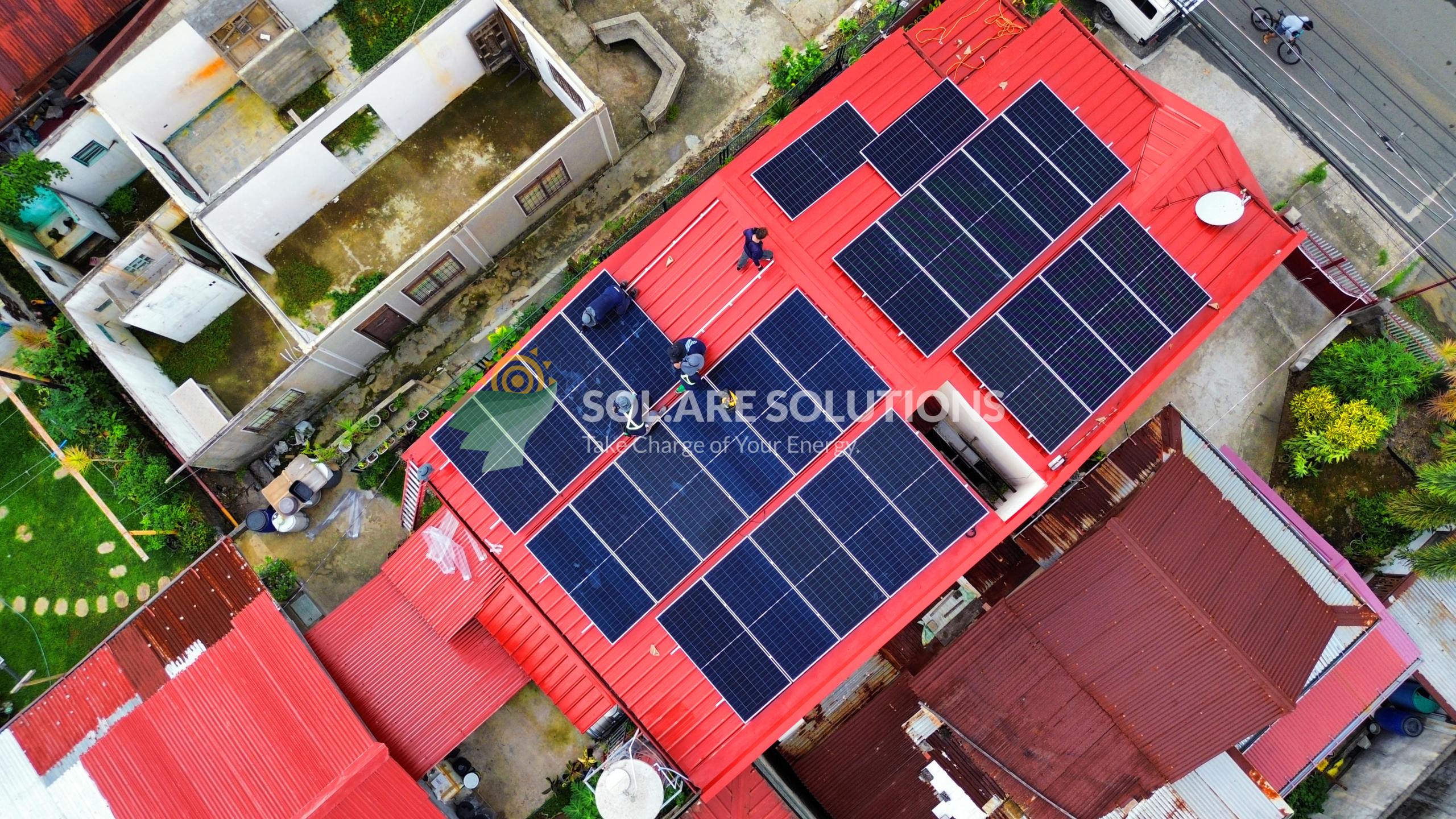
Climate change isn’t a distant threat—it’s a present reality. Its consequences—rising seas, extreme weather, and food insecurity—hit the most vulnerable communities the hardest. In Southeast Asia, including the Philippines, millions are at risk of displacement or livelihood loss due to climate-related disasters (UNDP, 2021). In this context, the link between climate change and renewable energy becomes more than a policy issue—it’s a moral imperative.
The Climate Crisis and Our Energy Dependency
Our planet’s rising temperature is closely linked to the continued burning of fossil fuels. According to the Intergovernmental Panel on Climate Change (IPCC, 2023), coal, oil, and natural gas account for over 75% of global greenhouse gas emissions. Countries heavily reliant on fossil energy sources face increased energy insecurity and volatile power costs (IEA, 2022).
Why Renewable Energy Is a Necessity
Here’s why renewable energy is important:
- Emission reduction: Renewables like solar and wind emit little to no greenhouse gases (IPCC, 2023).
- Energy security: Locally sourced energy means resilience during crises (DOE Philippines, 2023).
- Green economy: Clean energy supports over 12 million jobs globally as of 2022 (IRENA, 2023).
Hence, why renewable energy is essential to fight climate change—it addresses root causes while building a sustainable economy.
The Role of NGOs and Civil Society
NGOs are bridging policy gaps with community-based energy solutions. In Mindanao, solar microgrid projects have been deployed in far-flung areas by NGOs like Stiftung Solarenergie (SSP Philippines, 2022). These efforts offer:
- Energy independence
- Renewable energy education
- Local ownership of energy assets
Faith-Based Perspectives on Creation and Energy
Faith leaders globally are embracing faith and climate action. In the Laudato Si’, Pope Francis urges humanity to act as stewards of creation (Vatican, 2015). Examples in the Philippines include:
- Solar-powered chapels in Zamboanga. Click Here
- Interfaith eco-conferences promoting sustainability
- Church-led recycling and solar retrofitting projects
Environmental stewardship and energy are central to spiritual ethics across traditions.
Global Case Studies of Impact
- South Africa: Solar water pumps funded by NGOs now serve rural schools (WWF, 2022).
- United States: Interfaith Power & Light campaigns for fossil fuel divestment.
- Germany: Over 1,000 citizen cooperatives own and manage renewable energy infrastructure (IEEFA, 2023).
Barriers and Misconceptions
| Misconception | The Reality |
| Too expensive | Solar ROI is real: SOL.ARE systems cut ₱8K–₱15K/month in bills. |
| Complex tech | Turnkey systems now come with net metering & monitoring. |
| Limited access | NGO and LGU projects are scaling RE in underserved areas (DOE, 2023). |
Call to Action: What Educators, NGOs, and Faith Leaders Can Do
For NGOs:
- Apply for DOE or UNDP clean energy grants
- Collaborate with solar providers for community installs
For Educators:
- Add energy and sustainability modules to K-12 and college curricula
- Host climate awareness fairs and solar exhibits
For Faith Leaders:
- Retrofit places of worship with solar panels
- Organize faith-based climate action weeks
These actions build collective momentum in the climate change awareness campaign.
Conclusion
Renewable energy is not a luxury for the privileged—it’s a necessity for survival, justice, and hope. Whether you lead a classroom, a congregation, or a community group, your action matters.
Let’s power a future that reflects our values—clean, resilient, and inclusive.
References
- UNDP. (2021). Climate Resilience in Asia-Pacific. https://www.undp.org
- IPCC. (2023). AR6 Climate Change Report. https://www.ipcc.ch
- IEA. (2022). World Energy Outlook 2022. https://www.iea.org
- IRENA. (2023). Renewable Energy and Jobs Report. https://www.irena.org
- DOE Philippines. (2023). Net Metering Status Update. https://www.doe.gov.ph
- Vatican. (2015). Laudato Si’: On Care for Our Common Home. https://www.vatican.va
- Stiftung Solarenergie (SSP). (2022). Philippine Off-Grid Solar Initiatives. https://www.solarenergiefoundation.org
- WWF South Africa. (2022). Off-Grid Energy Solutions. https://www.wwf.org.za
IEEFA. (2023). Energy Democracy in Germany. https://ieefa.orgWelcome to WordPress. This is your first post. Edit or delete it, then start writing!