
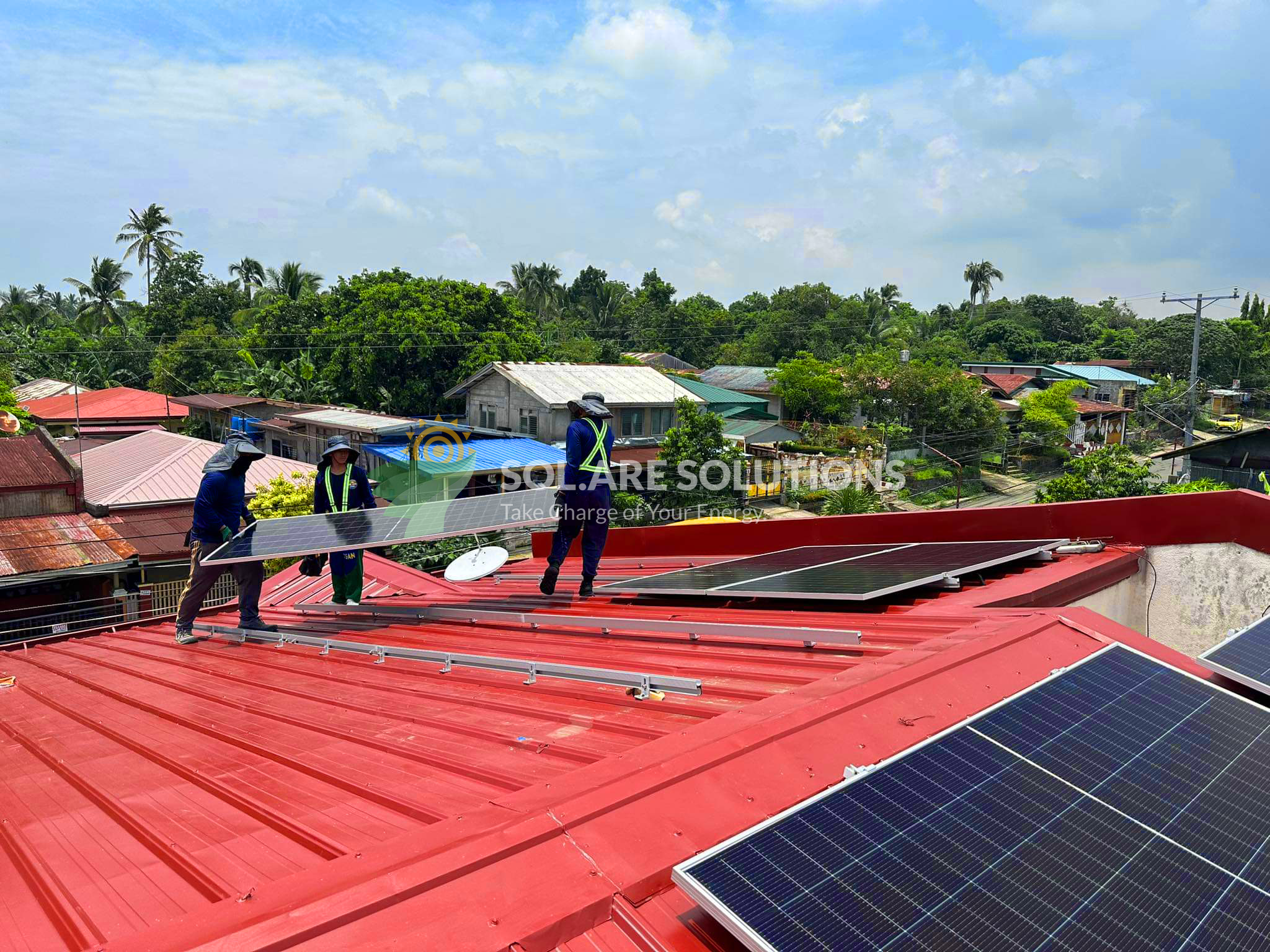
The Philippines is making a strategic commitment under its Philippine Energy Plan (PEP) 2023–2050 to increase the share of renewable energy in its national energy mix to 50% by 2040—a significant ramp-up from approximately 22% in 2022 (Reuters, 2025, Energy Tracker Asia, Law Asia, 2024, Climate Action Tracker).
I. Renewable Energy Targets Under PEP
According to DOE forecasts, the renewable energy share is expected to reach 35% by 2030 and climb to 50–56.9% by 2040 under the Clean Energy Scenario (MBC, 2024). This implies adding approximately 52.8 GW of renewable capacity by 2040—including solar, wind, hydro, geothermal, and biomass (Reccessary, 2024).
II. Policy Framework: Renewable Energy Act & Roadmap
First legislated in 2008, the Renewable Energy Act of the Philippines (RA 9513) established key mechanisms like Feed-in-Tariff (FiT), Renewable Portfolio Standards (RPS), net‑metering, and the Green Energy Option Program (GEOP) (Wikipedia).
The Act’s constitutionality and RET mechanisms were upheld by the Philippine Supreme Court in August 2024, reinforcing legal certainty for investors and policymakers (Law Asia, 2024).
III. Implementation Pathway: Capacity Mix & Mechanisms
To reach 50% renewable energy by 2040, the DOE targets a diversified capacity build-out: ~27 GW solar, ~16.7 GW wind, ~6 GW hydro, ~2.5 GW geothermal, and ~0.36 GW biomass (Reccessary, 2024).
Key implementation pillars include:
- Halting new coal-fired projects
- Scaling utility-scale and distributed solar PV
- Expanding wind and hydro capacity in high-potential regions
- Deploying energy storage and off-grid microgrids
DOE also projects electricity demand doubling by 2040, growing at 4–5% annually (ANU Philippines Institute).
IV. Investment & Incentive Mechanisms
The government offers a range of renewable energy incentives, including:
- Tax holidays, duty-free importation, VAT exemptions
- Priority grid dispatch
- Competitive Renewable Energy Zones (CREZ)
While FiT remains foundational, the Green Energy Auction Program (GEAP) is now central to procurement (Energy Tracker Asia).
V. Challenges to the Energy Transition
Barriers include:
- Limited grid capacity
- Permitting delays and LGU-national coordination issues
- Financing gaps and high capital costs
- Community acceptance, especially for geothermal projects (AP News, 2024, ANU Philippines Institute)
VI. Regional Benchmarking & Global Alignment
The Philippines leads Southeast Asia in clean energy ambition, with its targets aligned to global calls for 50–80% RE by 2050 (Climate Action Tracker, OECD).
References
- Reuters. (2025). Philippines, UAE’s Masdar agree $15B renewable energy project.
- Energy Tracker Asia. (2024). Renewable energy in the Philippines: Current state and roadmap.
- Law Asia. (2024). Philippine court upholds Renewable Energy Act.
- Climate Action Tracker. (2024). Philippines policies and action.
- MBC Policy Notes. (2024). DOE’s Philippine Energy Plan 2023–2050.
- Reccessary. (2024). Philippines aims for 53GW of renewables by 2040.
- Wikipedia. Feed-in tariff entry.
- ANU Philippines Institute. (2024). Challenges and prospects of energy transition.
- AP News. (2024). Southeast Asia grapples with geothermal expansion.
- OECD. (2024). Clean Energy Finance and Investment Roadmap – Philippines.